Choosing Geomatics Equipment? Make Sure You Have the Right Support!
Easy-to-use tools don’t always mean easy-to-fix problems. That’s why post-sales support is crucial. In this post, I explore the role of the product specialist in geomatics and why it matters more than you think.
10/27/20242 min read
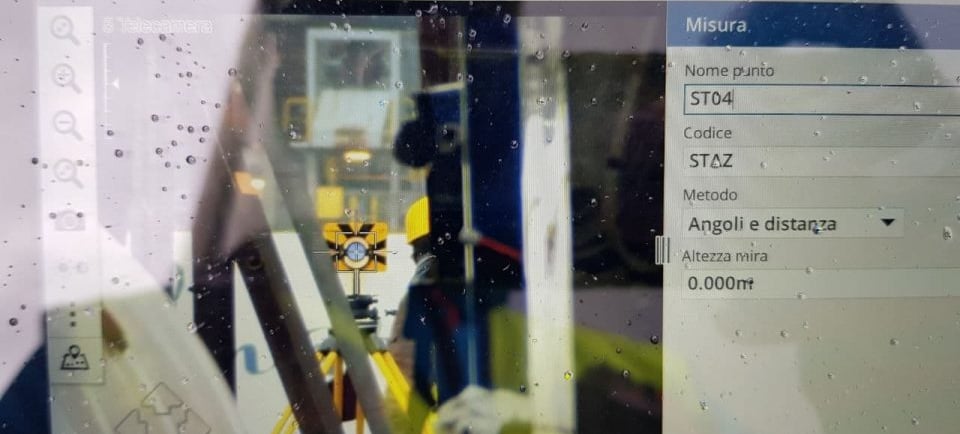
With all the tools and software available for geomatics professionals (and not only for them), the role of the company "product specialist" is essential.
This is a person within a vendor company who supports customers in using the hardware or software they have purchased. I believe it’s crucial for sellers to have this resource in-house, and equally important for buyers to know if it exists at the time of purchase—before the contract and the payment.
The range of tools in geomatics is getting quite extensive:
SLAM,
Lidar,
Static laser scanners,
GNSS,
Total stations,
Levels,
Drones,
All kinds of software,
…
The market is constantly welcoming new players who bring value, innovation, and, as an indirect effect, a trend toward lower prices. That said, the costs (often) are still substantial. Some of the systems I mentioned above can easily cost tens of thousands of euros.
It’s frustrating, after such an investment, to have to request information to solve a technical issue without receiving concrete support from the vendor, and to be left handling it on your own.
Of course, the dream would be a quick resolution for every problem, just a few minutes on the phone. But we’re all human, and this (fortunately!) isn’t always possible.
However, it’s essential to have contact with someone knowledgeable about the tool or software, who can support you in your work challenges and honestly respond, “I don’t have an answer to this issue right away, but give me a few hours to look into it, and I’ll get back to you.” This is what a product specialist does. And, of course, you should actually hear back from them after the agreed time!
There’s a tendency to make geomatics tools appear super easy to use: just press here, here, and here, and the result is ready. Things have undeniably evolved, and learning a new tool is less complex than it used to be, but I also believe that something that seems easy to use can become a nightmare if something goes wrong and you can’t fix it.
I say this as a bit of a provocation, but today, true and efficient post-sales support is almost more important than the performance features of the product itself. Ultimately, we want to be efficient with the resources we have, and this also involves resolving the issues we encounter.