After-sales support is not an extra. It is part of the product
An accident with my DJI Matrice 4E reminded me of something very clearly: after-sales support is no longer a secondary detail. It is a core part of a tool’s real value, just as much as hardware, performance, and features.
Paolo Corradeghini
3/7/20262 min read

Last Thursday, I messed up.
I had an accident with my DJI Matrice 4E, which ended up landing in the branches of a leafless tree.
No excuses.
No justification.
My mistake.
I was an idiot.
😬
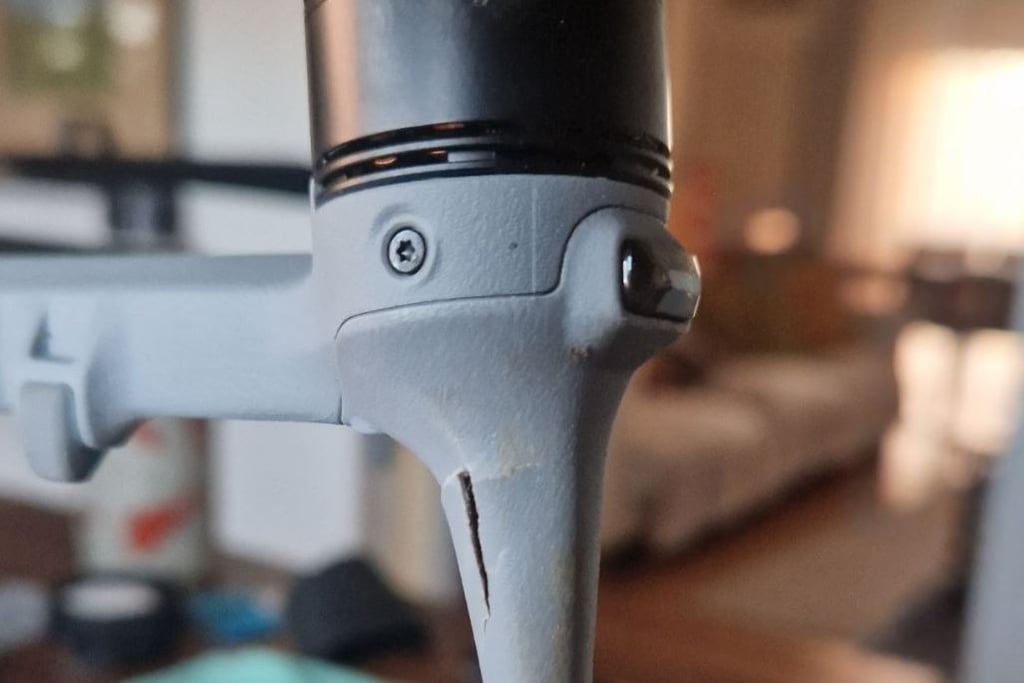
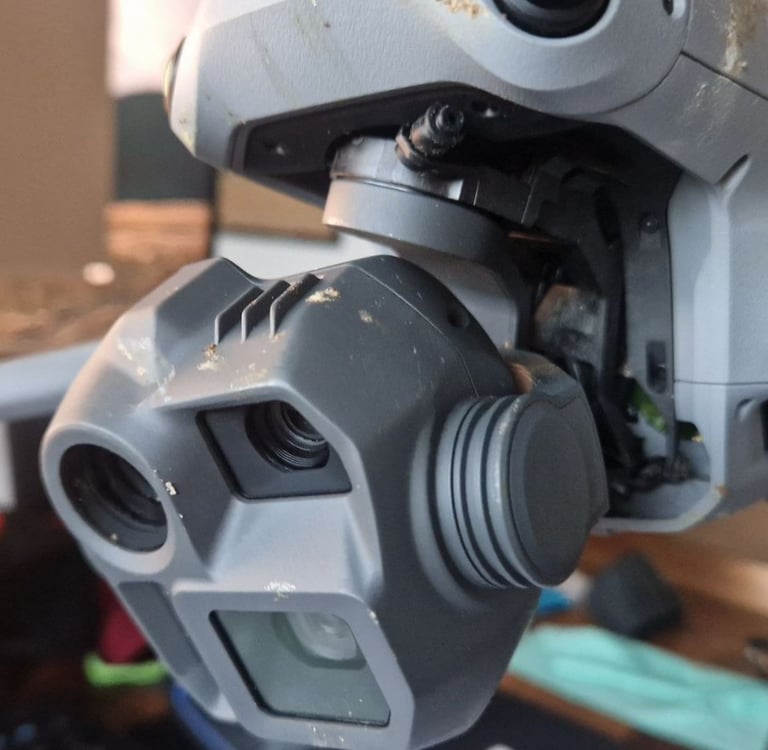
I recovered the drone, but it needed repair work on the gimbal and on one arm.
On Friday, I shipped it to DJI official support in Germany.
On Tuesday, I received the intake confirmation email.
On Wednesday, I received the repair report.
The cost, not very high, was covered by the Enterprise protection plan.
By Friday, I had the drone back again, repaired and working.
One week later.
This experience confirmed something for me: in 2026, for anyone working with technical tools of any kind, support is no longer an accessory.
It is part of the product.
This is true for hardware and, in my opinion, it is partly true for software as well.
When a professional or a company invests capital in a tool, often an expensive one, they are not just buying a spec sheet, sensors, performance, features, or functions.
They are also buying what happens next.
What happens when something breaks.
When a workflow stops.
When there is an operational doubt.
When a quick answer is needed because the work cannot wait.
So support means:
fast repair times
simple shipping and intake procedures
clear communication
real technical support
the ability to solve problems, not just open tickets
If a product is excellent, but the moment a problem appears you enter a maze of emails, delays, silence, and useless steps, that experience becomes a nightmare.
There is another aspect too.
The way support is delivered is changing.
There used to be long tickets in clunky portals or endless email chains.
Today, the market increasingly expects fast, direct, almost immediate answers.
Sometimes by phone.
Sometimes by chat.
Sometimes even through WhatsApp.
I am not saying this is always the perfect solution.
In fact, I think an important issue that is emerging is the need, on the customer side, to be aware of the boundary between availability and constant reachability, while respecting the human being on the other side.
But one thing is clear: today, after-sales support is part of the perceived value of a product just as much as the hardware itself.
For this reason, in my opinion, before buying a tool, it is worth evaluating:
how support works
how quickly they respond
where they are located
how easy it is to activate support
what feedback comes from people who have already used it
Because the real issue is not whether support will be needed sooner or later.